Stay in the loop
If your a regular customer or visitor of either our in-store branches or our website, why not register to our Weekly Grind Newsletter which includes all the latest news, offers and product launches coming from Finjan Al Basch.


+971 5 212 3434

Being intercropped with sweet pungent spices and then warped by a period of exposure to monsoon conditions makes for a very distinguishable coffee

In stock
Our graceful white tiger! Being intercropped with sweet pungent spices and then warped by a period of exposure to monsoon conditions makes for a very distinguishable coffee that works well at every roast profile but maintains its signature rich spicy aromatics and flavours
Coffee was introduced to India by a revered 16th century Sufi saint Baba Budan. Who was on a holy pilgrimage to Mecca to perform Hajj. On his return he stopped by at the port city of Mocha in Yemen, where he discovered the joys of drinking coffee. Eager to introduce this delightful beverage to his homeland of India, his search for seedlings proved difficult. The Yemeni coffee merchants kept a tight monopoly and rigorous measures to secure their cash crop, curious traders were only permitted to purchase roasted coffee beans from their stores. However, Baba Budan not letting up, ended up smuggling seven coffee seedlings in his beard.
Once home, the seven coffee seedlings were sowed in the slopes of the Chandragiri Hills, a mountainous region now known as the Baba Budangiri range where his tomb lays.
Since the 16th century, the Karnataka state of India has been the primary growing region for coffee exports. This mountainous region is a densely forested area that forms part of a protected natural reserve, the area also benefits from a seasonal climate of tropical heat combined with heavy monsoon rainy seasons.
Small family owned farms are located at the foothills of the mountainous terrain at altitudes of between 1000m to 1500m above sea level, shaded by dense forest trees. The farmers normally use a method of intercropping spices such as cardamom, cinnamon and nutmeg with coffee seedlings, of which the coffee gains its spicy aromatics.
Once the cherries are ready for harvest, their handpicked and sent to the Hassan processing centre, the cherries are mechanically graded, de-pulped and washed. The beans are then dried and stored in purpose ventilated warehouses and are exposed to moisture-laden monsoon winds and continuously raked, until they reach there famously golden hue. A process which replicates, the coffee beans exposure to sea faring climates when being transported by British merchant ships to Europe.
Being intercropped with sweet pungent spices and then warped by a period of exposure to monsoon conditions makes for a very distinguishable coffee. Our Indian Malabar worked on a broad spectrum of roasting profiles but the characteristics of this variety shine through at the medium to darker roasts.
A unique flavour that’s sweet-toned, full bodied, rich in crema and has complex aromatics.
Most noticeable are the spice notes of cardamom and ginger, with hints of tobacco and the sweetness of oud wood. The finish is sweet with a slight sharpness, notes of warm cinnamon and chocolate notes are prevalent.
Arabica from India
INGREDIENTS:
Arabica Coffee
Your health matters the most! This product is 100% natural and free from Anti-Caking Agents and Preservatives.
Suitable for Vegans
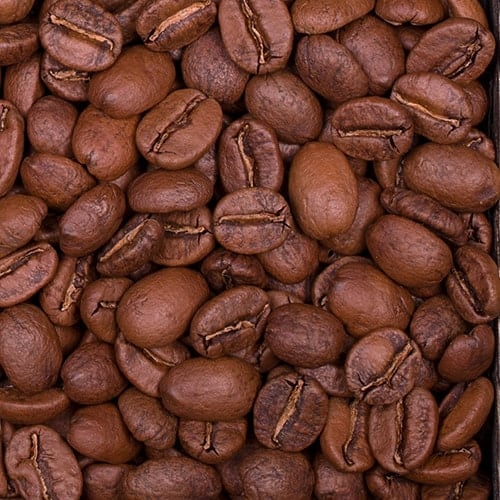
Medium, Dark
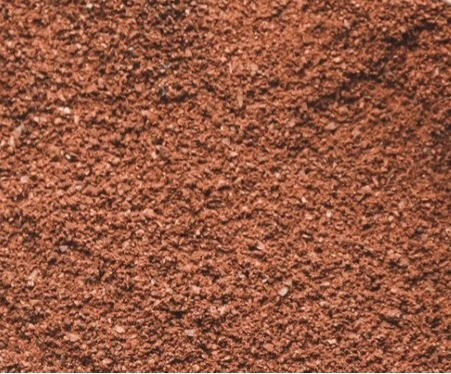
Beans, Coarse, Medium, Fine
From India

Rainforest Alliance Certified

1300m to 1450m
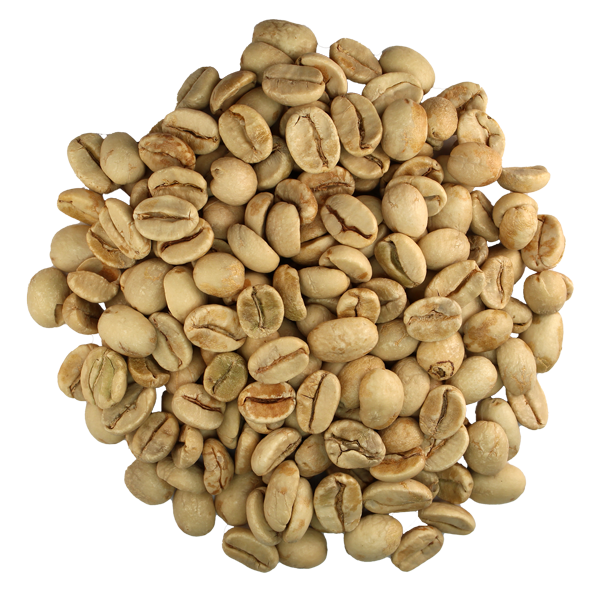
Arabica: Kent, Selection 9 & 795






We are happy to deliver our products globally

Coffee that elevates your corporate image

No batch roasting, every order is freshly made
If your a regular customer or visitor of either our in-store branches or our website, why not register to our Weekly Grind Newsletter which includes all the latest news, offers and product launches coming from Finjan Al Basch.


Copyright © 2025 Finjan Al Basch
All Rights Reserved
